

Why Bagpipe Reeds Change Strength Over Time
Share
Why Bagpipe Reeds Change Strength Over Time
Few topics generate more discussion among pipers than reed strength. A reed that felt comfortable and responsive last month may suddenly feel harder, weaker, less steady, or simply different. Many players assume something is wrong with their reed when, in reality, gradual changes in performance are a normal part of a reed's life cycle.
Bagpipe reeds are not static components. Whether made from cane or synthetic materials, they are constantly influenced by playing habits, moisture exposure, temperature fluctuations, humidity levels, storage conditions, and natural wear. These factors combine to affect how a reed vibrates, responds to pressure, and ultimately performs in the instrument.
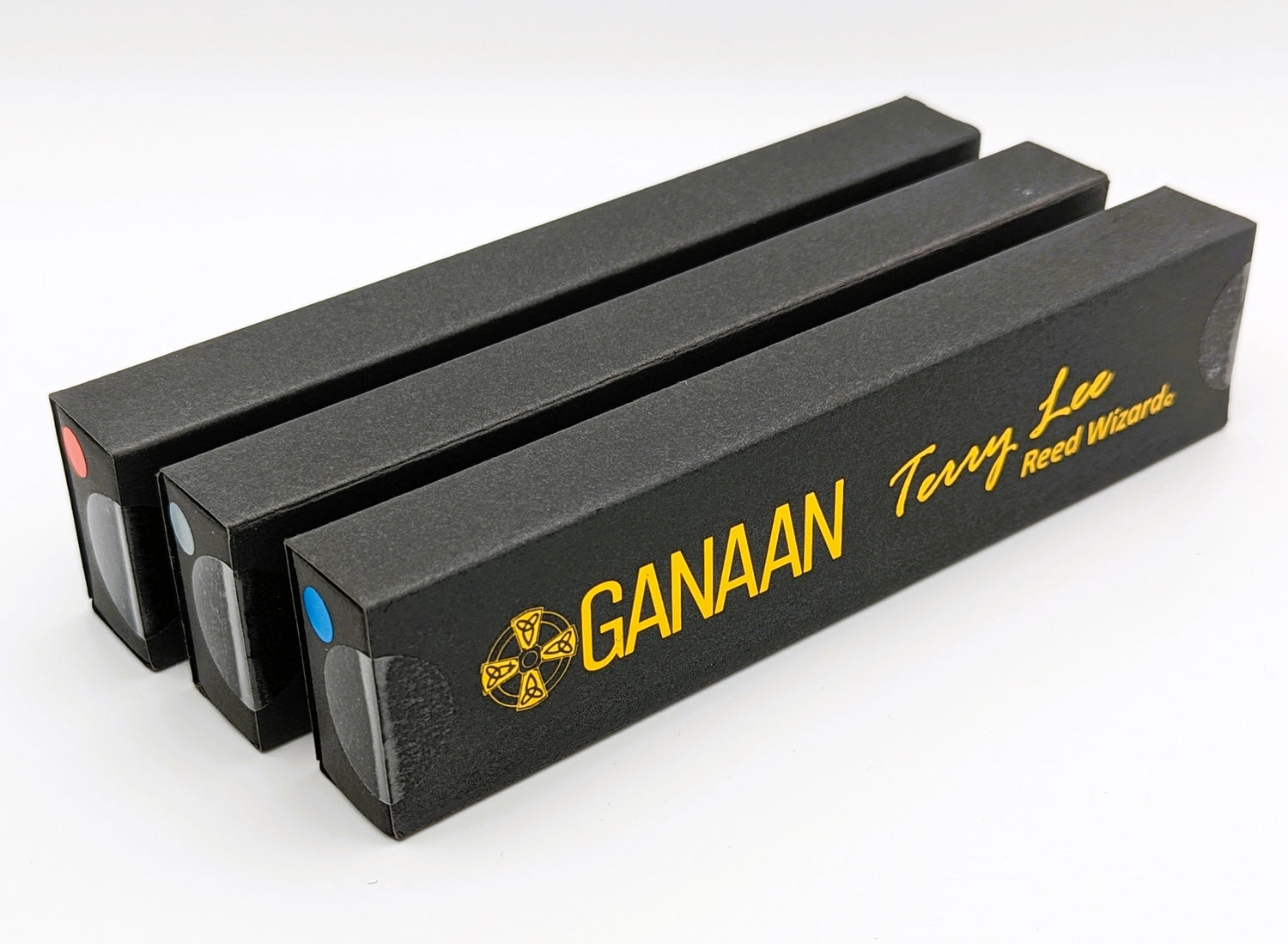
Fortunately, pipers have more tools than ever available to help manage these changes. Products such as the Terry Lee Reed Wizard allow players to make controlled adjustments to a reed's strength and responsiveness when fine-tuning their setup. Likewise, maintaining a stable environment between playing sessions can be equally important, which is where the GANAAN Humidapod Mini can help by supporting more consistent storage conditions and reducing unnecessary environmental fluctuations.
If you haven't already, start with our previous articles: How to Keep Bagpipe Reeds Stable Between Practices and 7 Common Bagpipe Reed Storage Mistakes and How to Avoid Them, which explain how humidity and storage practices can dramatically affect reed performance.
Key Takeaways
- All reeds naturally change strength over time.
- Humidity is one of the most significant factors affecting reed performance.
- Temperature changes can influence responsiveness and tone.
- Storage practices play a major role in long-term consistency.
- Proper moisture management can reduce unnecessary reed fluctuations.
1. The Natural Break-In Process
One of the most common reasons a reed changes strength is simply because it is new. Most reeds go through a break-in period during their first days or weeks of use. During this time, the materials settle into their operating condition as they are exposed to regular airflow, moisture, and vibration.
Many pipers notice a new reed becoming slightly easier after repeated playing sessions. This is particularly common with cane reeds, which naturally adapt to their environment over time. A reed that initially feels too hard may become much more comfortable once it has been properly played in.
The break-in period varies from one reed to another. Some stabilize quickly, while others continue changing for several weeks. This process can sometimes lead players to believe they selected the wrong reed when, in fact, they simply haven't given it enough time to settle.
Understanding the break-in process helps set realistic expectations. Rather than making immediate adjustments, it is often beneficial to observe how a reed develops through regular use before deciding whether changes are necessary.
How to Manage It
Avoid making major adjustments during the first few playing sessions whenever possible. Give new reeds adequate time to stabilize before evaluating their long-term performance characteristics.
2. How Humidity Affects Bagpipe Reed Strength
Humidity is one of the most significant factors influencing reed strength. As environmental humidity changes, reed materials absorb or release moisture, which can alter how the reed vibrates and responds.
In dry environments, reeds may lose moisture and feel stronger or less responsive. In more humid environments, the opposite may occur, causing a reed to feel weaker or more flexible. These changes can happen gradually over weeks or quite rapidly following major weather changes or travel.
Many pipers first notice humidity-related effects during seasonal transitions. A reed that performs perfectly during the summer may feel considerably different during the winter heating season when indoor humidity drops significantly.
The challenge is that humidity changes often occur slowly, making it difficult to identify the cause of changing reed behavior.
How to Manage It
Maintaining a more stable storage environment can help reduce extreme humidity fluctuations and improve consistency between playing sessions.
3. Repeated Moisture Cycles Create Stress
Every time a piper plays, moisture enters the instrument. After the session ends, the reed begins to dry again. This repeated wet-and-dry cycle occurs throughout the life of the reed and can gradually influence its characteristics.
Over time, these moisture cycles contribute to changes in flexibility, responsiveness, and stability. The more dramatic the moisture fluctuations, the greater the effect may be.
Moisture cycling is a normal part of playing bagpipes, but excessive exposure can accelerate performance changes and reduce predictability.
How to Manage It
Proper drying routines and good moisture management practices can help reduce unnecessary stress on the reed over time.
4. Temperature Changes Can Influence Strength
Many pipers focus on humidity but overlook temperature. Significant temperature fluctuations can also affect reed performance and consistency.
A reed stored in a cool environment may react differently once warmed to playing temperature. Likewise, a reed repeatedly exposed to hot vehicles, cold garages, or fluctuating storage environments may gradually become less predictable.
How to Manage It
Store bagpipes in a location with relatively stable temperatures and allow equipment time to acclimate before evaluating performance.
5. Increased Playing Time Accelerates Change
The amount a reed is played has a direct impact on how quickly its characteristics evolve. A reed played several hours per week may change faster than one used only occasionally.
Regular playing introduces airflow, moisture, vibration, and mechanical stress. While these factors are all part of normal use, they gradually influence reed performance over time.
How to Manage It
Monitor heavily used reeds more frequently and expect gradual changes as part of normal performance evolution.
6. Storage Conditions Matter More Than Many Pipers Realize
A reed spends far more time being stored than being played. For that reason, storage conditions have a tremendous influence on long-term consistency.
Poor storage conditions can expose reeds to repeated humidity fluctuations, temperature swings, and unnecessary environmental stress. Over time, these factors contribute to changes in strength and responsiveness.
How to Manage It
Create a consistent storage routine and avoid exposing your instrument to extreme environmental changes whenever possible.
Frequently Asked Questions About Bagpipe Reed Strength
Is it normal for a bagpipe reed to change strength?
Yes. Nearly all reeds change over time as they experience regular use, environmental conditions, moisture exposure, and natural aging.
Do synthetic reeds change strength?
While synthetic reeds are generally more stable than cane reeds, they are still affected by environmental conditions and can exhibit performance changes over time.
Why does my reed feel different from one day to the next?
Sudden changes are often related to humidity, temperature, moisture exposure, or storage conditions rather than defects in the reed itself.
Can poor storage make a reed stronger or weaker?
Yes. Environmental fluctuations can alter how a reed behaves, affecting responsiveness, steadiness, and perceived strength.
Related Reading
- How to Keep Bagpipe Reeds Stable Between Practices
- 7 Common Bagpipe Reed Storage Mistakes and How to Avoid Them
- Humidity and Bagpipe Tuning Explained
- How Long Should a Pipe Reed Last?
Recommended Products
GANAAN Humidapod Mini
Helps maintain a stable storage environment between playing sessions by minimizing unnecessary humidity fluctuations that can affect reed performance.
Terry Lee Reed Wizard
A proven tool for making controlled adjustments to reed strength and responsiveness, helping extend the useful life of quality reeds.
GANAAN Fusion F3 Pipe Chanter
Designed for reliable performance and consistency in a wide range of playing conditions.
Conclusion
A changing reed is not necessarily a bad reed. In fact, some degree of change is a natural part of every reed's lifecycle. Understanding the factors that influence reed strength can help pipers interpret those changes more accurately and make better decisions about maintenance, setup, and storage.
While players cannot eliminate every variable, they can significantly improve consistency by managing the factors within their control. Stable storage conditions, proper moisture management, and an understanding of how environmental changes affect performance can all contribute to a more predictable setup.
The goal isn't to stop reeds from changing entirely. The goal is to reduce unnecessary fluctuations so that your instrument performs as consistently as possible whenever you pick it up to play.
GANAAN Reed Care Series
- How to Keep Bagpipe Reeds Stable Between Practices
- 7 Common Bagpipe Reed Storage Mistakes and How to Avoid Them
- Why Bagpipe Reeds Change Strength Over Time
- Humidity and Bagpipe Tuning Explained
- How Long Should a Pipe Reed Last?
- Cane vs Synthetic Reeds and Humidity
- Competition-Day Reed Preparation
- Traveling With Bagpipe Reeds
- Why Bagpipe Reeds Fail Prematurely
- Creating a Stable Bagpipe Setup
About GANAAN
At GANAAN, we believe consistency begins long before a piper strikes in. Products such as the GANAAN Humidapod Mini are designed to help support stable storage conditions between playing sessions, reducing environmental fluctuations that can influence reed performance.
Whether you're a beginner building confidence in your setup or an experienced competitor seeking greater reliability, managing the environment around your reeds is one of the most effective steps you can take toward more predictable performance.